
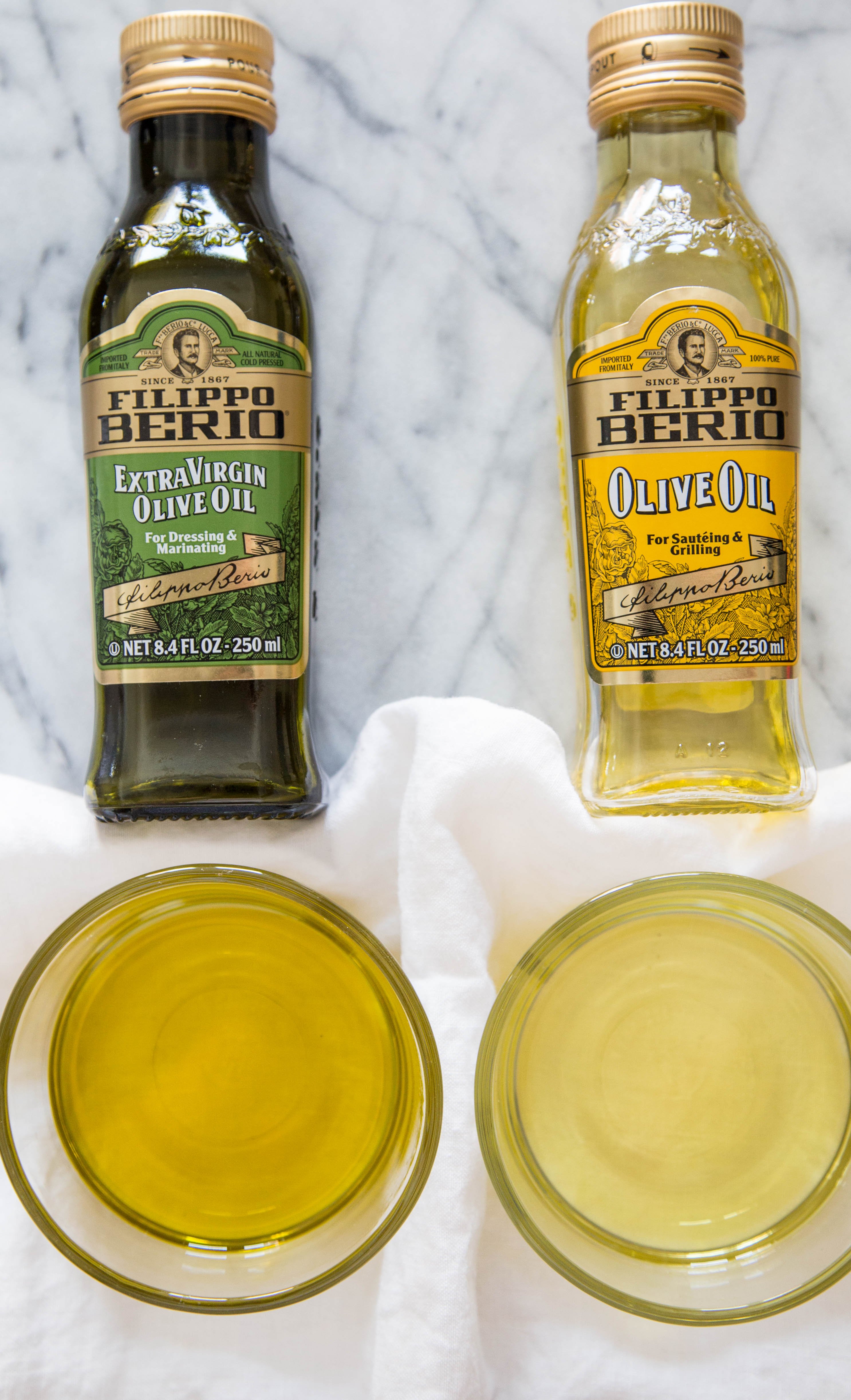
In “Like an Extra Virgin,” Anne Meneley describes olive oil’s history and cultural significance to the Mediterranean region. Meneley (2007) distinguishes how traditionally produced olive oil is seen as purer and better for one’s health. She argues what it took for olive oil to develop into a successful commodity, considering that we live in an era where industrialized and processed items are faced with apprehension due to a common perception that these foods threaten health. As the debate on industrial versus artisanal quality continues, other methods of distinguishing quality have manifested. Some distinctive attributes of the various types of olive oil (extra-virgin, superfine virgin, extra-fine virgin, etc.) include flavor profile, which can range from the level of fruitiness to sourness, or even aroma. Brand quality is how producers distinguish themselves from other producers. A certain level of transparency, such as whether the olives were hand-picked or not, determines much of the consumer/producer relationship. In this global trade enterprise, finding your brand helps with its level of success and capitalistic prowess.
To support Meneley’s argument on the success of olive oil, she includes how olives have defined the Mediterranean. After centuries of continuous use of this natural food, its associated “ancientness” has given this fruit an edge over competing oils on the market. This element of olive oil has led to more discoveries in the scientific community. Its popularity has led to increased research on its notable and significant health benefits. With that came the development of what’s commonly known as the Mediterranean diet. As you guessed, olive oil is a staple product in the diet, and the proponents of healthy fats reduce the risk of heart disease, colon cancer, and high cholesterol. Olive oil has also been proven to be good for the skin, giving it an overall healthy and youthful appearance—the scientific evidence on good fats and the Mediterranean diet factors into brand distinction and capitalistic prosperity.
Additionally, Meneley mentions a comparison between a woman’s sexual purity and the quality of olive oil. From a Mediterranean sociocultural perspective, a woman’s virginal status is seen as something to be protected but has also been viewed as an oppressive means of discouraging women from embracing and unveiling their sexuality. Promiscuity is looked down upon, and like the status of olive oil, women who are not virgins are labeled unclean and face disownment by their families similar to the olive oil which fails to be produced to its highest quality; it is put aside and won’t be sold under the producers brand. A product’s success or desirability is magnified depending on the quality and level of virginity assigned, which is indicated by acidity. “The concrete and imaginary conditions of food production-and technes and technoscientific shaping of or interventions in food production-produce entailments on a food commodity’s ultimate exchange and consumption. The term extravirgin may evoke an ultrapure supervirgin in the imaginaries of many, but it is also a legal and bureaucratic term now” (Meneley, 2007, p.683).
The evidence implemented to support the author’s claims are presented in a way that makes sense. Meneley’s examples to support her claims were also substantial because they allowed her to expound on her main arguments while remaining informative yet thought-provoking. I was able to thoroughly read her article without feeling that there were missed points or misused details. Her arguments, though, allow people to think about olive oil in a new way. This article is informative in expressing how olive oil became the successful commodity that it is today. Most other industrialized food products bring on much skepticism and hesitation. Still, since labels on olive oil bottles seem to signify its purity through an established and regulatory process that ensures authenticity, people are a lot more trusting in it. Supportive evidence from the scientific community adds to this reasoning, making olive oil production a very lucrative venture.
Below I have attached a video on olive oil and the various types. I included this video because it makes great distinctions in each olive oil’s process and quality while mentioning that some oils labeled as extra virgin are actually mixed with other much cheaper oils like canola.
Meneley, Anne. 2007. “Like an Extra Virgin.” American Anthropologist 109 (4): 678–87.

This entry is licensed under a Creative Commons Attribution 4.0 International license.


This is embarrassing to admit, but I didn’t realize there were different types of olive oil. I knew that healthy fats were heart-healthy (thanks to my cardiologist, https://www.premiermedicalhv.com/specialties/cardiology/), but this is all new info for me. Thanks!
The beginning of your summary says that “Meneley…distinguishes how traditionally produced olive oil is seen as purer and better for one’s health”. That’s a good way to put what she’s doing. A key word is “seen,” in that what this article attempts to do is track show how olive oil has become a “successful food commodity in an era of global concern about the risks of ‘industrial’ food” (678), as she puts it in the abstract.
The evidence you go over is part of this argument, but you present that evidence in a way that makes it sound like the author’s claims. She’s using what you describe to show how olive oil has become a successful commodity, but the way your summary is written now it sounds as if Meneley herself is extolling the virtues of olive oil. So it’s unclear how this evidence relates to the argument you identify.
The video you use is an excellent fit, because it’s another example of how people draw distinctions between different olive oils (which is part of what makes it a successful global commodity).